How to Market a Boutique Hotel on a Small Budget
AI Labster
AI Creative Studio
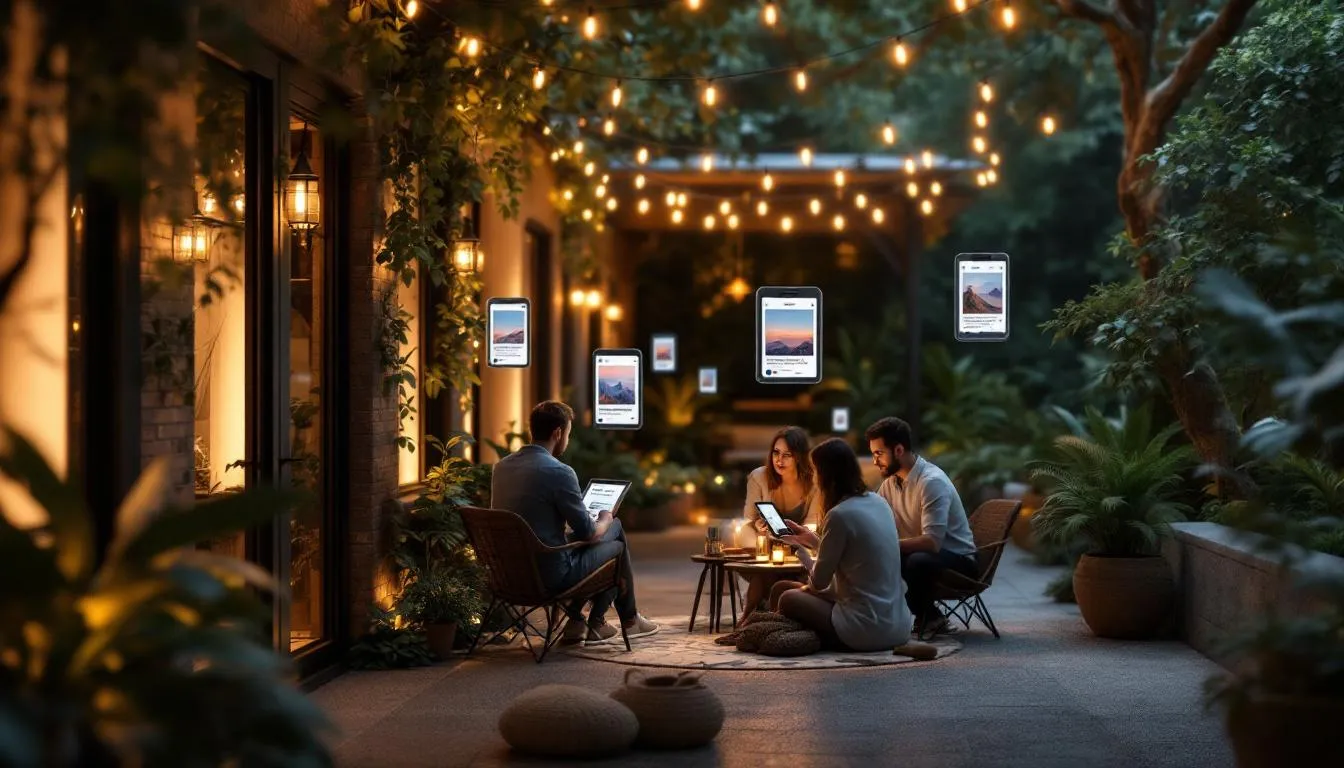
Boutique hotels have something chain hotels don’t: character. The problem is getting that character in front of the right people without a chain’s marketing budget. Here are the strategies that work when every dollar counts — drawn from our experience producing visual content for independent properties through our creative services.
Google Business Profile: Your Most Underused Free Channel
Most independent hotels have a Google Business Profile. Very few have optimized one. This is the single highest-ROI marketing activity available to a small hotel — and it costs nothing but time. When someone searches “boutique hotel [your city]” or “hotels near [local landmark],” GBP is what determines whether your property shows up, and whether they click.
Start by completing every field Google offers: hours, amenities, check-in procedures, parking, accessibility features, the works. Incomplete profiles signal neglect — to Google’s algorithm and to potential guests. Then make it a habit to add fresh photos every week. Google rewards active profiles with better placement, and recent photos tell guests the property is alive and well-maintained.
Respond to every review — positive and negative. A thoughtful response to a critical review does more for your reputation than the review itself. Enable messaging so guests can reach you directly through Google. Post updates about events, seasonal offers, or local highlights the same way you’d use social media. The hotels that treat GBP as a living marketing channel consistently outrank competitors who set it up and forgot about it.
Social Media That Doesn’t Require a Team
The worst social media mistake a boutique hotel can make is trying to be everywhere. Maintaining a presence across Instagram, Facebook, TikTok, Pinterest, X, and LinkedIn with a team of one or two people doesn’t produce great content anywhere — it produces mediocre content everywhere. For a deeper look at how luxury and premium properties handle this challenge with more resources, the contrast is instructive. Pick one or two platforms that match your property’s personality and your guests’ habits. Do those well.
Instagram remains the default for visual-first properties — design-led boutiques, spa hotels, coastal retreats. Facebook still drives strong results for properties with a local community angle: a farmhouse hotel hosting events, a historic inn with a loyal regional following. TikTok rewards personality and story over polish, making it surprisingly well-suited for owner-operated properties where the people are part of the charm.
The content that works isn’t complicated. Behind-the-scenes moments (morning prep, flower delivery day, staff spotlights) consistently outperform polished promotional posts. Guest experiences, local guides written from genuine knowledge, and seasonal highlights all build the kind of ongoing relationship with followers that eventually translates to direct bookings. Batch your content creation — set aside two hours every two weeks to shoot and schedule posts, rather than scrambling daily.
User-Generated Content: Let Guests Market For You
The most trusted marketing a hotel can have is a guest sharing their experience unprompted. User-generated content is free, it’s authentic, and it reaches audiences your own channels never will. The challenge is creating the conditions where guests naturally want to share.
Create photo-worthy moments throughout the property — a statement wall, a beautifully set morning table, a view framed by the room layout. These don’t require renovation budgets; they require intention. See our gallery for examples of the kind of visual moments that drive organic sharing. Establish a branded hashtag and make it visible: in the room, on the menu, in the welcome note. Create a clear repost policy so guests know their content will be credited and shared.
Incentivizing reviews requires finesse — you can’t buy them, but you can make asking feel natural. A handwritten thank-you note on checkout with a gentle request for a Google or TripAdvisor review converts far better than a post-stay email from a CRM system. For guests who’ve already shared photos, a personal reply and reshare is reciprocity that encourages future stays.
79%
of travelers trust UGC over branded content
4x higher
click-through rate on UGC ads vs. branded ads
Email Marketing for Independent Hotels
Email has the highest ROI of any digital marketing channel — $36 returned for every $1 spent, according to industry benchmarks. For boutique hotels, it’s also one of the most underutilized. Every direct booking is an opportunity to build a list of guests who already trust you enough to stay.
You don’t need a sophisticated stack to run effective email. Including a link to a short virtual tour or video walkthrough in your pre-arrival email is one of the highest-impact additions you can make. A simple pre-arrival sequence — confirmation, local recommendations, what to expect — reduces no-shows and starts the guest relationship before they arrive. A post-stay message within 48 hours, thanking them personally and requesting a review, consistently drives more reviews than any other tactic. Seasonal campaigns (summer offers, holiday packages, last-minute availability) keep past guests engaged without requiring constant new content.
The goal isn’t volume — it’s relevance. A boutique hotel sending four well-timed, genuinely useful emails a year will outperform one sending weekly newsletters nobody asked for. Segment by stay history if you can (couples vs. families, first-time vs. returning guests), and write like a person, not a marketing department.
Professional Video Without the Professional Price Tag
Video is the single most effective content format for hotel marketing. Properties with video on their booking pages see higher engagement, lower bounce rates, and stronger direct booking conversion. The problem has always been cost: a 60-second property video traditionally runs $15,000–$30,000 once you account for crew, equipment, post-production, and the disruption to operations during a shoot.
AI-powered video production has changed that math. The same quality of cinematic content — sweeping establishing shots, intimate room reveals, atmospheric property overviews — now costs $2,000–$5,000 with an AI-assisted pipeline. No crew on-site, no rooms taken out of inventory, no weather dependencies. The property shares existing photography and brand references; the video is built from there. For boutique hotels that have been priced out of professional video, this is the channel that just opened up.
See how it works in detail at our hotel video production guide. For the broader content strategy that video fits into, the hotel content marketing guide covers how to build a full-year plan. And if photography is your current gap before video, the hotel photography guide is the right starting point.
Local Partnerships and Cross-Promotion
Independent hotels have a structural advantage over chains that’s easy to overlook: they actually belong to their communities. Chain properties are interchangeable by design. Boutique hotels are specific — to a neighborhood, a history, an owner’s taste. That specificity is the foundation of every effective local partnership.
The partnerships worth building are with businesses your guests are already looking for: the best restaurant in the area, the most reputable tour operator, the event venue around the corner. These aren’t formal business arrangements — they start with a conversation and a mutual understanding that sending guests each other’s way benefits everyone. A restaurant that recommends your hotel to visitors asking about accommodation. A tour operator whose booking confirmation mentions where they’d suggest staying. A yoga studio whose regulars keep hearing about your wellness packages.
Cross-promotion on social media extends the reach of both parties without paid advertising. Co-created content — a “48 hours in [city]” itinerary developed jointly, a local dining guide, a seasonal events roundup — gives both businesses something worth sharing. Bundled packages (room plus restaurant credit, hotel stay plus guided tour) give OTA visitors a reason to book direct, since packages rarely appear on third-party platforms. Local partnerships are one of the few marketing strategies that get more valuable the longer you invest in them.
Ready to give your boutique hotel a visual edge?
We create cinematic video content for independent hotels at a fraction of traditional production costs. See what's possible for your property.
See Hotel ServicesReady to elevate your property's visual identity?
We work with luxury hotels and resort groups to build visual content systems that scale — consistent brand quality across every property.