Luxury Hotel Marketing: Visual-First Strategy
AI Labster
AI Creative Studio
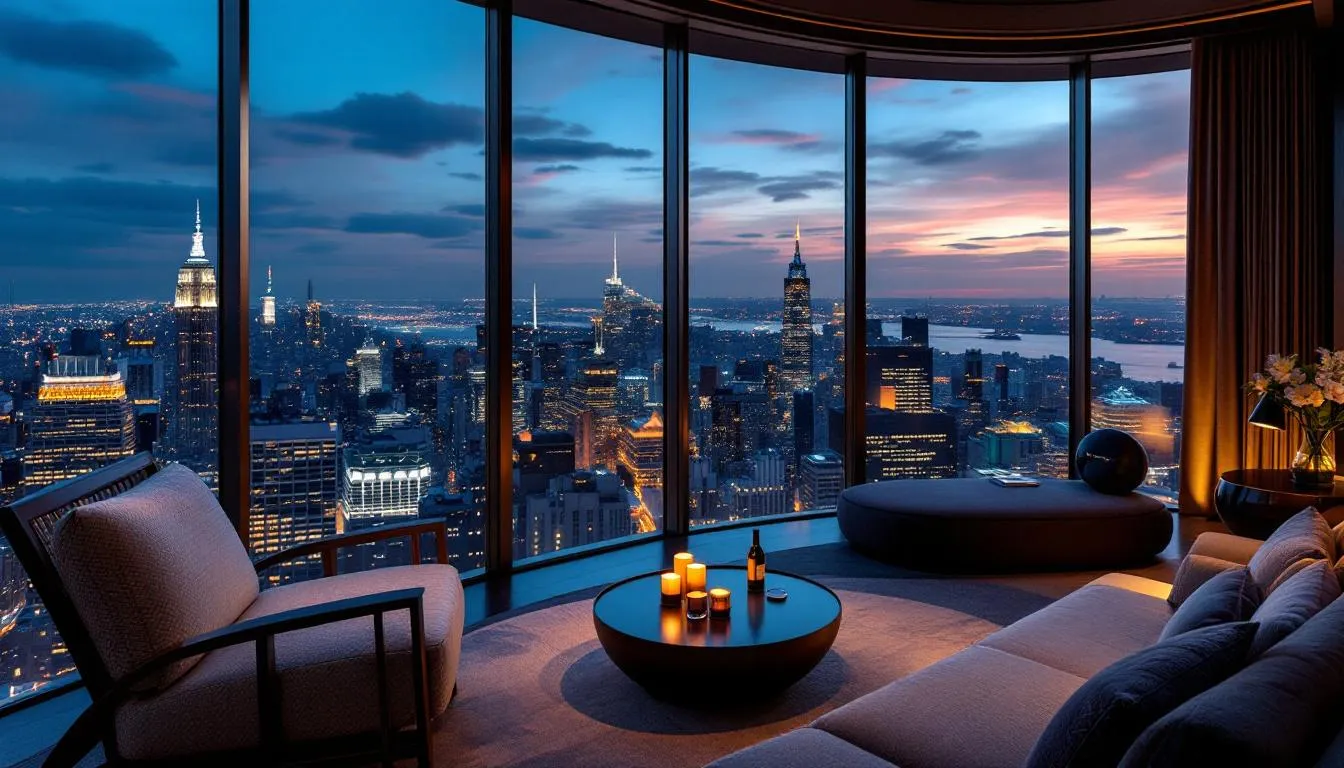
Luxury hospitality marketing used to mean glossy print ads in travel magazines and relationships with a small network of high-end travel agents. That world is gone. The guests who spend $800 a night — or $8,000 — now make their decisions the same way everyone else does: by watching, scrolling, and forming impressions before they ever speak to a human.
What has changed is what it takes to win that attention. Visual content has moved from supporting role to primary lever. The properties that consistently attract high-value guests aren’t simply the ones with the best rooms or the most impressive amenities — they’re the ones who have built a visual-first marketing strategy that turns aspiration into bookings.
This guide covers the full picture: how luxury travelers actually behave, why traditional marketing channels are losing effectiveness, and how to build a content system that works across every touchpoint your guests encounter. Whether you’re running a single flagship property or managing a portfolio of resorts, the strategic principles are the same — only the scale changes.
The Luxury Hospitality Market Landscape
Luxury travel is growing. But the guests driving that growth are not the same as the ones who filled five-star properties a decade ago. The emerging base of high-spending travelers — particularly those under 50 — approach hospitality decisions with entirely different expectations than previous generations.
How luxury travelers research and book. Research from Expedia Group consistently shows that luxury and premium travelers spend significantly more time in the research phase before committing to a booking. A standard leisure traveler might compare a handful of options over a few days. A luxury traveler may spend weeks visiting a property’s website multiple times, watching video content, studying social feeds, and reading curated editorial coverage before converting. The decision is emotional, not transactional — and that elongated research process means every visual touchpoint matters.
Aspiration before information. The sequence matters: luxury travelers decide emotionally before they decide rationally. They don’t search for a hotel with a specific pool depth or thread count — they search for a feeling. “Somewhere remote and peaceful.” “A place that feels genuinely special.” Visual content is the only marketing format capable of delivering that feeling before arrival. A room description, no matter how well-written, cannot do what a 60-second cinematic video can do.
Why traditional channels are losing effectiveness. Print travel media reaches a fraction of its former audience. Traditional travel agent networks, while still relevant at the ultra-luxury tier, are a narrowing channel. Even generic display advertising has a ceiling: luxury travelers use ad blockers at higher rates than average, and banner fatigue is acute. What cuts through is content that feels worth consuming — visual storytelling that guests actively seek out rather than scroll past.
The shift from telling to showing. This is the core of a visual-first strategy. For decades, luxury hotel marketing was primarily copy-led: long descriptions of marble bathrooms, private butlers, and Michelin-starred restaurants. The shift to visual-first doesn’t mean abandoning language — it means leading with imagery and video that makes the copy redundant. When a guest has already watched your property come alive on their screen, they don’t need to be told the pool is beautiful.
Brand Positioning Through Visual Identity
Here is a truth that most hotels resist acknowledging: your visual content is your brand positioning. Not your mission statement. Not your tagline. What guests see when they land on your website, scroll your Instagram, or encounter your OTA listing — that is your brand in practice. Everything else is internal.
Consistency across touchpoints is the single biggest differentiator. A luxury property that has invested in a stunning website but runs outdated photography on Booking.com is sending conflicting signals to potential guests. A property with strong social content but a weak hero video on its homepage is leaving its most visited page underperforming. The visual hierarchy matters at every layer: what guests see first — and how coherent that experience is across channels — determines their perception of your property before a single amenity is considered.
The visual hierarchy: first impressions are decisive. Eye-tracking research on hotel websites shows that guests form a primary impression within the first 3 seconds of a page load — and that impression is driven almost entirely by the hero visual (whether image or video). The rest of the page exists to reinforce or undermine that impression. This means your hero visual isn’t just aesthetic — it’s strategic. It needs to answer, without words: what kind of property is this, and what will I feel if I stay here?
Common mistakes that undermine luxury positioning. The most damaging is inconsistent quality — a mix of professional and amateur photography that signals the property doesn’t take its own visual standards seriously. Close behind is outdated imagery: guests notice when a property’s promotional photos show a restaurant that was refurbished three years ago, or when the social feed hasn’t been updated in months. Using stock photography is perhaps the most corrosive mistake of all — luxury travelers are visually literate, and they recognize stock imagery on sight. Nothing undercuts a premium positioning faster than visuals that could belong to any property anywhere.
How leading luxury properties maintain visual consistency. The answer is almost always systemic, not ad hoc. Rather than commissioning occasional shoots when content runs low, high-performing properties treat visual production as an ongoing operational function — with brand guidelines that define exactly how the property is to be represented, a production pipeline that generates fresh content on a regular cadence, and a distribution workflow that ensures every channel stays current. The luxury hotel marketing practices that actually move bookings are built on this kind of system, not one-off projects.
Visual Storytelling for Luxury Properties
Understanding what luxury guests want to feel before they book is prerequisite to building any content strategy. The feelings that reliably drive luxury bookings are: escape, exclusivity, ease, and beauty. Not features — feelings.
The story arc that converts. Effective visual storytelling for luxury hospitality follows a consistent arc, whether in a 30-second social clip or a 4-minute brand film. It begins with aspiration — an image or moment that creates a pull. It moves into experience — showing what it actually looks, sounds, and feels like to be at the property. It lands in emotion — capturing the quality of moments, not just rooms. And it closes with confidence — enough grounded detail that the viewer can say “yes, this is real, this is for me.”
Properties that skip the aspiration stage — going straight to room tours and amenities lists — are producing content that informs without inspiring. Properties that over-index on aspiration without grounding in experience produce content that feels theatrical rather than trustworthy. The balance between these poles is where the best hospitality storytelling lives.
Photography versus video: when to use each. Photography is the foundation. It gives guests the high-resolution, permanent reference points they return to when confirming a decision. Strong photography signals professionalism, controls lighting and composition precisely, and works across every channel — from OTA listings to print collateral. Video adds what photography cannot: movement, atmosphere, sound, and the sense of what it feels like to be present in a place. Guests who watch video before booking convert at meaningfully higher rates because video answers questions that images leave open. The strategic approach is not either/or — it’s using each format for what it does best within a unified visual narrative.
For detailed guidance on what makes hotel photography actually sell rooms, see our hotel photography guide.
Describing without naming. The most effective luxury visual content doesn’t need to name the specific brand or property to create desire — the visual quality and narrative are sufficient on their own. Approaches that work consistently include: cinematic golden-hour exterior shots that establish setting and mood; intimate detail shots (a perfectly set table, a perfectly folded towel) that signal care and precision; guest-perspective shots that put the viewer in the scene; and candid or semi-candid moments that convey genuine warmth rather than staged formality. The goal is always to leave the viewer wanting to be there.
Content Strategy: Channels and Content Types
A visual-first hotel marketing strategy is not about being everywhere — it’s about being excellent at the touchpoints that matter most to your guests. Here is how that breaks down by channel:
Website: your highest-converting surface. The property website is where bookings happen, and it remains the highest-value content environment for luxury hotels. Hero video on the homepage is no longer optional for premium properties — it is the expected standard, and properties without it signal to guests that their visual standards may be behind. Room and suite galleries should be comprehensive, professionally lit, and updated to reflect current interiors. Experience pages — spa, dining, pool, wellness — benefit enormously from short contextual video that sells the experience rather than documenting the space.
Instagram: aspiration and lifestyle. Instagram remains the primary social discovery platform for luxury travel content. The feed functions as a portfolio of the property’s visual identity — it should be aesthetically consistent, aspirationally oriented, and updated with genuine regularity. Reels are now algorithmically prioritised and represent the highest-reach opportunity on the platform. Behind-the-scenes content — the chef at work, the morning preparation before guests arrive — performs well because it builds authentic connection without sacrificing luxury positioning. Stories work for time-sensitive content: current availability, seasonal offers, and real-time property moments.
TikTok: authentic discovery. TikTok has become a serious hospitality discovery platform, particularly for under-40 high-spending travelers. The content that performs here is not polished brand video — it’s authentic reveals, unexpected details, and moments that feel genuinely found rather than staged. A room tour that shows the view, the rainfall shower, and one unexpected detail outperforms a corporate brand film. Luxury properties that succeed on TikTok do so by adapting their brand story to the platform’s native register, not by importing their Instagram aesthetic verbatim.
YouTube: long-form destination content. YouTube rewards depth and search intent in a way no other platform does. A well-produced 8-minute property tour can drive qualified discovery for years. Destination content — showcasing the surrounding area, local experiences, seasonal highlights — attracts guests who are in the research phase but haven’t yet committed to a property. This is a top-of-funnel channel that requires patience, but the long-tail value is substantial. See our hotel video marketing guide for detailed guidance on building a video content programme.
Email: your highest-value retention channel. Email is often underutilised by luxury properties that are focused on acquisition. For repeat guests and loyalty members, email is the most direct, highest-converting channel available. Seasonal campaigns anchored in compelling visual content — a winter offer featuring snow-dusted exterior shots, a summer campaign built around pool and outdoor dining imagery — consistently outperform non-visual email by a significant margin. The key is leading with visual richness and letting the imagery carry the emotional weight before the copy takes over.
OTA listings: the forgotten battleground. For most hotels, the majority of new guest bookings still originate from OTA platforms — Booking.com, Expedia, TripAdvisor. Yet most hotels treat their OTA listings as an afterthought compared to their own website and social channels. This is a significant missed opportunity. OTA listing photography has a direct and measurable impact on click-through rates and conversion — Expedia’s own research shows that listings with more high-quality images see substantially higher engagement. The same quality standards that apply to your website should apply to every OTA listing you maintain.
The Economics of Luxury Visual Content
Traditional visual production for luxury hospitality has never been cheap — and for good reason. Cinematic-quality photography requires a skilled team, the right equipment, optimal conditions, and significant post-production time. A full property shoot covering exteriors, rooms, F&B, spa, and amenities can easily run $20,000 to $60,000 or more, depending on the scale of the property and the depth of content required. Video production costs more still: a single hero brand film with crew, equipment, location fees, and post-production can reach $40,000 to $80,000 for a quality that genuinely reflects luxury positioning.
The content freshness challenge. The cost problem compounds when you consider the ongoing nature of content needs. A single annual shoot quickly ages — rooms are refurbished, restaurants change, seasonal experiences evolve. Platforms have different aspect ratio and format requirements. Social channels demand fresh content on a weekly or daily cadence. For properties with multiple assets across a portfolio, maintaining visual freshness across all channels at traditional production costs becomes prohibitive.
How AI production changes the cost equation. AI-assisted content production has introduced a genuinely new category of option for luxury hospitality marketers. This doesn’t mean replacing professional photography and cinematography — the foundation of high-quality visual identity still requires real expertise and real production craft. What AI production enables is dramatically more efficient generation of supplementary content: channel-specific adaptations, seasonal variations, lifestyle-oriented social content, and short-form video formats that keep channels active between major shoots. Properties that integrate AI production into their content workflow are producing more content, across more channels, with greater freshness — at a fraction of the cost of achieving the same volume through traditional means alone.
ROI of visual content investment. The business case for premium visual content is well-established. Higher click-through rates on OTA listings translate directly into bookings. Conversion lift from video on booking pages is consistently documented across hospitality research. And the impact on ADR — average daily rate — is perhaps the most significant: properties that successfully establish a premium visual identity command higher rates because guests perceive higher value before they arrive. Underspending on visual content in an attempt to reduce marketing costs is, for most luxury properties, a false economy. See our analysis of AI video production for hotels for detailed cost comparisons.
Building a visual content system for your hotel group?
We help luxury properties and resort groups build scalable content systems — consistent brand quality across every property, at a fraction of traditional production cost.
See Hotel ServicesBuilding a Visual Content System
The gap between hotels with strong visual marketing and those without is almost never about a single shoot or a single piece of content — it’s about whether the property treats visual content as a system or as a series of one-off projects.
Why one-off shoots don’t work for luxury brands. A single annual shoot addresses the content deficit for a few months and then the freshness begins to erode. Social feeds go quiet. OTA listings age. The website hero that wowed visitors in March feels dated by October. The problem is structural: occasional production creates content bursts followed by content droughts, and the inconsistency undermines the sense of a coherent, active brand.
The system: brand guidelines → production pipeline → distribution → measurement. A functional visual content system starts with a set of brand guidelines that are specific enough to be useful — not just “use warm tones” but defined reference imagery, approved treatments, content type frameworks, and channel-specific specifications. From there, a production pipeline determines how and when content is generated: which content types are produced in-house, which go to agency partners, and where AI production tools can extend capacity cost-effectively. Distribution workflows ensure that content reaches every relevant channel promptly and in the right format. Measurement closes the loop: which content is driving click-throughs, which videos are completing, which images are converting.
Content calendar for hospitality. Luxury hospitality has a natural content rhythm. Seasonal content (winter escape packages, summer pool content, autumn foliage photography) has predictable lead times and should be planned and produced 6–8 weeks ahead of the season. Event-based content — a property anniversary, a new restaurant opening, a major renovation reveal — generates natural press and social moments. Evergreen content — room and suite galleries, spa content, destination guides — underpins the permanent architecture of the website and OTA listings and should be refreshed on a rolling annual cycle. The most effective hospitality content calendars layer all three of these types across every channel.
Team structure options. Luxury hotel groups typically achieve the best results with a hybrid model: an in-house content or marketing coordinator who manages the calendar, maintains brand standards, and handles day-to-day social publishing; a retained agency or production partner for major shoots and brand films; and an AI production workflow for high-volume social content, channel adaptations, and between-shoot freshness. The exact balance depends on property scale and content volume requirements — but fully in-house and fully outsourced are both extremes that rarely serve luxury properties well.
For Boutique and Independent Hotels
Not every property with a luxury positioning has a luxury marketing budget. Boutique and independent hotels face a real constraint: the same standards apply, but the resources to meet them are a fraction of what a major branded property commands.
The good news is that the core principles of a visual-first strategy scale down without losing their essential logic. A boutique property with a genuinely distinctive visual identity — even if produced on a modest budget — will consistently outperform a larger property with high-volume generic content. Character travels well. Authenticity converts. And the most important investment a boutique hotel can make is in the quality of its primary visual assets: the website hero, the room and suite gallery, and the three or four Instagram posts that guests see first when they visit the profile.
Where to focus limited resources for maximum impact. The hierarchy for boutique properties is: website photography first (it affects OTA listings and every downstream channel), OTA listing quality second (because that’s where most new bookings originate), and organic social third. Paid channels and email marketing can wait until the visual foundation is solid. Attempting to run active social and paid campaigns with mediocre photography is a poor use of limited budget — the content itself will underperform.
AI-assisted production is particularly valuable at the boutique scale because it makes ongoing content volume achievable without ongoing production costs. See our full guide to boutique hotel marketing for budget-specific strategies and prioritisation frameworks.
Conclusion
The opportunity in luxury hotel marketing right now is structural, not tactical. While most properties continue to treat visual content as a cost centre — something to invest in occasionally and sparingly — the properties capturing disproportionate share of high-value bookings are treating it as a strategic function with its own system, calendar, and measurement.
Visual-first doesn’t mean video-only or photography-obsessed. It means building a coherent strategy in which the first thing a potential guest encounters — whether on Google, Instagram, an OTA listing, or your own website — is compelling enough to make them want to know more. Everything else — copy, offers, amenities lists, reviews — is downstream of that initial visual impression.
The guest who spends weeks in the research phase, who books emotionally and justifies rationally, who will pay significantly more for a property that feels genuinely exceptional — that guest is making a decision based on what they’ve seen. The question is whether your visual content is doing the work it needs to do.
If you’re ready to build a visual content system for your property or portfolio, we’d like to talk.
Ready to elevate your property's visual identity?
We work with luxury hotels and resort groups to build visual content systems that scale — consistent brand quality across every property.